
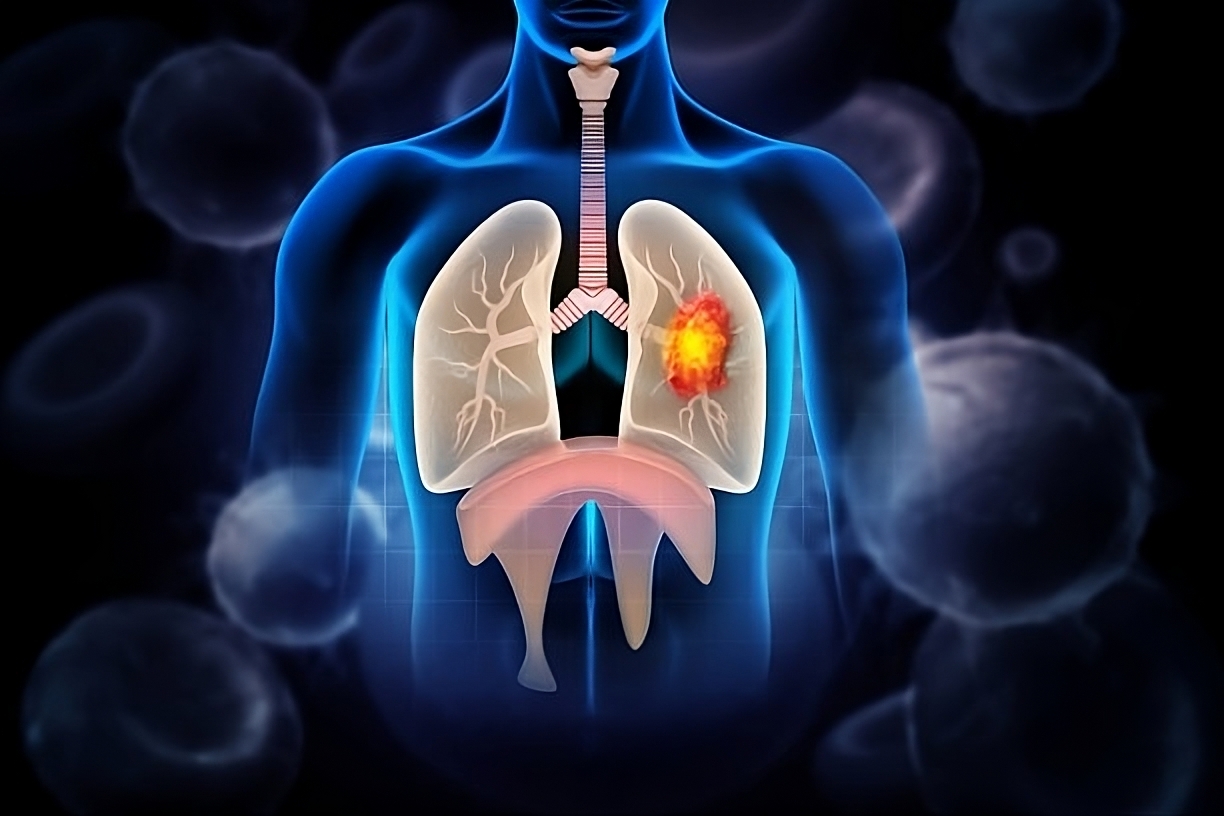
Lung diseases and lung fibrosis
Umbilical cord-derived mesenchymal stem cells (UC-MSCs) are good candidates for the
treatment of pulmonary diseases.
a Lung immaturity and fibrosis are the major problems of patients with bronchopulmonary
dysplasia and lead to increased levels of SDF-1, the development of fibrosis, the induction
of the inflammatory response, and the impairment of alveolarization. UC-MSCs are
attracted to the damaged lung via the chemoattractant SDF-1, which is constantly released
from the immature lung via SDF-1 and CXCR4 communication. Moreover, UC-MSCs reduce
the level of proinflammatory cytokines (TGF-β, INF-γ, macrophage MIF, and TNF-α) via a
cell-to-cell contact mechanism. The ability of UC-MSCs to produce and secrete VEGF also
involves in the regeneration of the immature lung through enhanced angiogenesis.
b Upon an exacerbation of chronic obstructive pulmonary disease (COPD), UC-MSCs
respond to the surrounding stimuli by reducing IL-8 and TNF-α levels, resulting in the
inhibition of the inflammatory response but an increase in the secretion of growth factors
participating in the protection of alveoli, fluid clearance and reduced oxidative stress and
lung fibrosis, including HGF, TGF-β, IGF-1, and exosomes.
c In a similar manner, UC-MSCs prevent the formation of cytokine storms in coronavirus
disease 2019 (COVID-19) by inhibiting CD34+ T-cell differentiation into Th17 cells and
enhancing the number of regulatory T cells. Moreover, UC-MSCs also have antibacterial
activity by secreting LL-3717 and lipocalin.
Signal Transduct Target Ther. 2022; 7: 272.